



Shenzhen Kunpeng Core Technology Co., Ltd
Company Image

Bried adhering to the: Prompt delivery.service in place. think what you think.

Shenzhen Kunpeng Core Technology Co., Ltd
Trade Show

For job seekers to provide the latest and most recruitment information.

Shenzhen Kunpeng Core Technology Co., Ltd
Contact Us

If you have any questions. please do not hesitate to contact us.

Featured products

The Essential Building Block of Electronic Devices

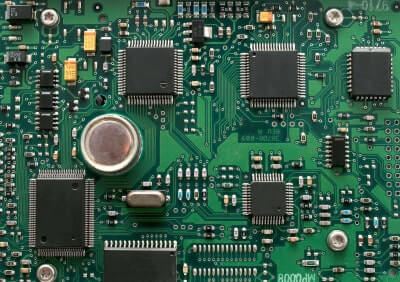
Shenzhen It is a technology enterprise focusing on industrial control boards.

Main business

PCB design and routing, BOM production, and drawing schematic diagrams; Design and development of various types of single-chip microcomputer.

Prototype production, commissioning, development and production; SMT/PCBA chip processing, welding debugging; Batch component supporting procurement;

Mass production of circuit boards, OEM/ODM foundry of various finished and semi-finished products; Medical equipment, industrial control board maintenance and maintenance

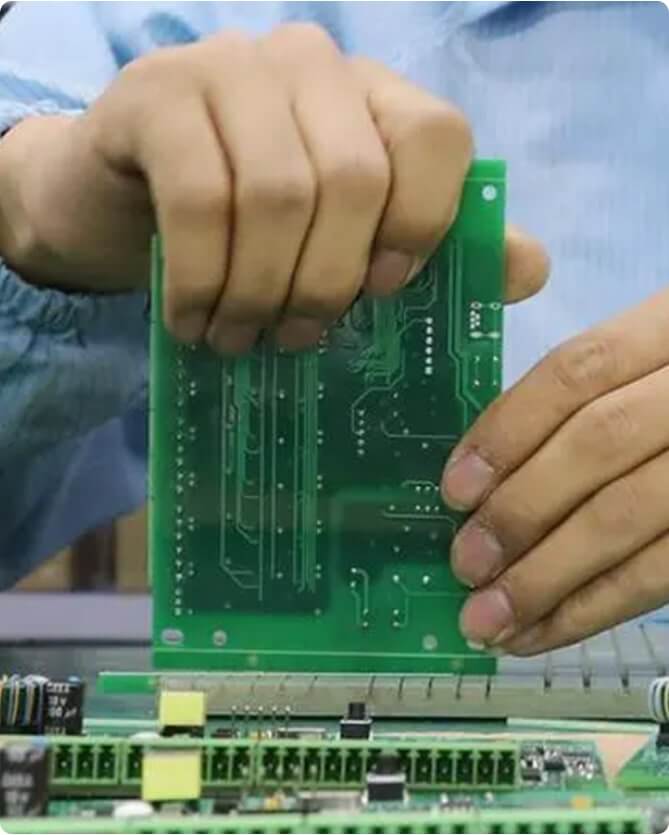
Printed Circuit Board

Chinese name is printed circuit board, also known as printed circuit board,

Shenzhen Kunpeng Core Technology Co., Ltd

Our Products

Shenzhen Kunpeng Core Technology Co., Ltd

Annex Building, Niulanqian Building, Minzhi Avenue, Minzhi Community, Minzhi Street, Longhua District, ShenzhenIt is a technology enterprise focusing on industrial control boards, medical equipment, rail transit, automotive electronics , R&D, production and service. The company has a professional technical team

About Us

Shenzhen Kunpeng Core Technology Co., Ltd.

Shenzhen Kunpeng Core Technology Co., Ltd

Business philosophy

The company takes "focus, intentions, quality, service" as its core value, and hopes to provide high-quality services through our professional level and unremitting efforts. Shenzhen Kunpeng Core Technology Co., Ltd. has been adhering to the needs of users as the core, attentive service has won the trust and praise of many industries, and gradually established a good brand of the company in Shenzhen.

What People say about Us

Our Blogs

23 Apr

Blogs

Industrial automation is evolving at a fast pace, and manufacturing environments are becoming increasingly intelligent and connected. Modern factories now depend on advanced systems that reduce the need for manual intervention by allowing machines to handle repetitive and precision based tasks more efficiently. At the center of this transformation is the electronics sector, which plays a key role in enabling automation technologies. Every automated system is built using a structured list of parts known as a Bill of Materials. This list includes all electronic and mechanical components required for the system to function properly.  As technology continues to advance, the nature of these electronic components is also changing rapidly in terms of performance, efficiency, and integration capabilities. For engineers, manufacturers, and system operators, understanding these evolving trends is essential. Staying updated helps in designing better systems, improving reliability, reducing costs, and ensuring smoother industrial operations in a highly competitive environment.   What is a BOM in industrial Electronics? A Bill of Materials provides a detailed list of all the components required to assemble an electronic system or product. This covers sensors, microcontrollers, power modules, connectors, resistors, capacitors, and numerous other components in industrial automation. An efficiently planned BOM makes production efficient. It assists the engineers in sourcing the correct parts, managing stock, and planning substitutions. When there are component changes, whether due to new technology or supply, the BOM needs to be reconfigured. A reliable automation project is all about getting the BOM right. Get Competitive Pricing on Industrial BOM Components Now   The Shift Towards Smarter Components The shift towards smart components is one of the largest trends in automation across industries. The conventional elements, such as relays or simple sensors, have only one function. They turn on, turn off, and they gauge temperature. New-generation components accomplish much more. They gather information, interact with the other systems, and even make minor decisions independently. A smart pressure sensor, such as one, does not simply read pressure.  It is capable of raising anomalies and alerts and recording historical data, which are not monitored by a separate control unit. This trend implies that BOM lists are increasingly populated with components that incorporate embedded processing power and communication capabilities. Engineers must now consider beyond the functionality of a component, how it fits and interacts in a bigger system.   The Rise of the Internet of Things in Factory Settings The Internet of Things (IoT) has no longer remained at the consumer device level but has taken on an industrial aspect. This is also commonly referred to as the Industrial Internet of Things, or IIoT, in factories. The concept is simple: integrate all machines, sensors, and devices into a single central network to enable free data flow and enable on-the-fly decision-making. What This Means for Component Selection? Such a connectivity pattern is transforming the BOM electronic components in industrial automation in a large manner. The components now have to be in support of a wireless or wired communication protocol. Standards such as MQTT, Modbus, Profibus, and Ethernet/ IP are becoming increasingly common requirements. Wireless modules, Bluetooth, Zigbee Transceivers, and Wi-Fi-enabled microcontrollers are increasingly being listed on BOM lists. They used to be regarded as specialist components. They have since become mainstream in industrial design. Edge Computing Components Another IIoT-related trend is edge computing. Instead of transferring all information to a remote server for processing, edge computing processes data at the source, i.e., on the factory floor. This involves tiny yet strong processors and memory modules embedded into the machines. Small, low-power microprocessors and system-on-a-chip systems are found to be common BOM components in modern automation projects.   Miniaturization and Higher Integration Components are getting smaller. Concurrently, they are doing more. This is the trend of miniaturization combined with integration. A single chip could perform the tasks of several independent components a decade ago. Surface-mount technology has long been driving this trend, but it is increasing faster. Multi-function ICs, integrated power management modules, and sensor-and-communication combination chips are decreasing the quantity of individual parts required on a BOM. Complete Guide to BOM Electronic Components Purchase  A reduced number of components implies simpler designs, lower assembly costs, and higher reliability, as the number of solder joints and connections to break is finite. In the context of industrial automation, this tendency is particularly important because factory conditions can be very harsh. Processing with fewer components entails fewer potential failure points of conditions that include heat, vibration, and dust. Is Component Obsolescence an Increasing Issue? Yes, it is among the gravest pitfalls to industrial automation engineers nowadays, with the components being commercially shorter-lived than ever before. The expected lifespan of machines is twenty to thirty years; however, the parts within them can be terminated within five to ten years. It has now become standard practice for engineers to consider obsolescence management as part of their BOM strategy from the outset.   Power Electronics Are Evolving Rapidly Machines use a considerable amount of power in industries. The efficient management of such power is an increasing concern. The new materials are modifying the manner in which power components are constructed and their performance. Silicon Carbide and Gallium Nitride Two materials that are changing power electronics are silicon carbide (SiC and gallium nitride (GaN. Power components that are made of silicon have physical limits. SiC and GaN parts can work at higher voltages, higher temperatures, and faster switching than silicon. This means increased efficient power translation and reduced power modules. SiC MOSFETs and GaN transistors are increasingly being used in the design of motor drives, inverters, and power supplies in industrial automation BOM lists. Initial cost is greater than conventional silicon; however, the efficiency benefits and size savings may make the investment worthwhile, particularly in high-duty showing applications.   The Growing Importance of Functional Safety Components Industrial environments do not have the option of safety. The machines that are in and around human workers need to be very safe. This has resulted in an increasing number of functional safety items in BOM lists. Safety-rated microcontrollers, redundant sensor systems, and specialized safety relays are designed to fail in a foreseeable and safe manner. These components are not only a best practice to include in a BOM anymore, but they are now legal and regulatory requirements in most industries. With processes of automation getting more sophisticated and robots performing tasks near human beings, the necessity of certified safety components will only continue growing. This is influencing the way BOMs are designed and suppliers are chosen. Can Supply Chain Disruptions Affect BOM Planning? Indeed, and the recent lack of semiconductors demonstrated how fragile global supply chains can be, with lead times extending in weeks, months, or years. This has compelled engineers to switch to multi-source BOM strategies by stating approved alternative components with primary ones. It has also given rise to regional sourcing, with interest in developing shorter, more robust supply chains.   Green Electronics and Sustainability Environmental responsibility is becoming a significant component of choice. Such regulations as RoHS limit the utilization of hazardous chemicals in electronics. WEEE regulations encourage enhanced end-of-life practices. These regulations influence the availability and compliance of components. Low-Power Design Trends In addition to compliance, there is a real industry-wide push for low-power design. Lower-energy-use components drive the operating expenses and carbon footprint of automated systems. New designs are moving towards the use of low-power microcontrollers, energy-harvesting modules, and efficient DC-DC converters. Manufacturers are also considering the entire life cycle of the components - the source of materials, their production process, and their recycling possibilities. Sustainable sourcing is starting to drive BOM decisions that go beyond mere compliance.   Artificial Intelligence at the Component Level Machine learning and AI are not just a software conception anymore. They are even being incorporated into hardware. Neural processing units and AI-capable chips are starting to be offered as components, enabling inference computations to be run without a cloud connection. 5 Ways Communication Modules are Enhancing Industrial Automation In automation industrial control, this introduces opportunities for real-time quality inspection, predictive maintenance, and machine-level autonomous decision-making. Such elements are starting to feature in upper BOM lists of future-generation automation platforms. These parts are very expensive, but prices are expected to drop as production scales up. In the coming years, AI-based chips will be common components in the industrial automation BOM toolkit. What is the role of Standardization in Future BOMs? The increasing complexity of industrial systems is driving the need for standardization, as integrating components from different vendors becomes much easier. BOMs designed based on established communication protocols, connector types, and safety certifications are easier to maintain and qualify when replaced. The engineers who design to use standardized parts are preparing themselves for future integration issues.   Keeping BOM Strategies Up to Date The electronic component changes rapidly, implying that a three-year-old BOM can already be obsolete in many ways. Once state-of-the-art components became commonplace, others were discontinued. Better alternatives that are more cost-effective and efficient have surfaced. It is no longer optional to review and update the BOM regularly. It forms an integral aspect of the operation of any industrial automation project. As technology evolves, teams that stay updated on component trends, maintain good distributor relationships, and include flexibility in their designs will be better positioned.   Freuqently Asked Questions (FAQ's) What are BOM electronic components for industrial automation?  They are the complete list of electronic parts, sensors, microcontrollers, power modules, and connectors required to build and run an automated industrial system.   Where to buy BOM electronic components online in bulk? Trusted platforms like Kunpco, Digi-Key, Mouser, Arrow Electronics, and RS Components offer bulk purchasing options with verified certifications and reliable global delivery.   What is the price range for bulk BOM electronic components? Prices vary widely by component type and quantity, but bulk orders from authorized wholesalers always deliver significantly lower per-unit costs than retail purchases.   What are the most common uses of electronic components in industrial automation? They are used in motor drives, programmable logic controllers, robotic systems, conveyor controls, power supplies, and real-time sensor monitoring across factory environments.   Important Resources Kunpco About Kunpco Contact Kunpco Team

25 Jun

Blogs

Integrating advanced technologies is essential for maintaining competitiveness and efficiency in the modern industrial automation landscape. Communication modules are at the forefront of this technological revolution, providing critical solutions that connect, control, and optimize industrial processes. This article explores the top five ways communication modules enhance industrial automation, offering insights into their functionality, benefits, and future potential. 1. Streamlining Data Transmission One of the primary benefits of communication modules in industrial automation is the streamlined data transmission they offer. These modules enable real-time communication between various components of an automation system, ensuring that data flows seamlessly across different parts of the production line. Efficient Data Handling Communication modules can handle large volumes of data quickly and efficiently, facilitating immediate decision-making and process adjustments. This is crucial for maintaining high levels of productivity and minimizing downtime. Efficient data handling also allows for better tracking and management of resources, leading to optimized operational workflows. Reduction in Latency By reducing data transmission latency, communication modules help prevent delays that can impact the overall efficiency of industrial operations. This real-time data exchange ensures that systems can respond promptly to any changes or anomalies in the production process. Reduced latency is particularly important in environments where precision and timing are critical, such as high-speed manufacturing or automated quality control. 2. Enhancing System Integration Another significant advantage of communication m odules is their role in enhancing system integration. In an industrial environment, various systems and machines must work harmoniously. Communication modules are the glue that holds these disparate systems together, ensuring seamless interoperability. Interoperability Across Platforms Communication modules support a wide range of communication protocols, making it possible to integrate different systems regardless of their manufacturers. This interoperability is vital for creating a cohesive automation environment where all components can interact seamlessly. It also simplifies upgrading or expanding existing systems, as new components can be easily integrated without compatibility issues. Simplified Network Management These modules simplify the management of complex industrial networks by providing a unified platform for communication. This reduces the complexity involved in network configuration and maintenance, allowing for easier scalability and adaptability. Simplified network management also means that less specialized knowledge is required to operate and maintain the system, reducing training costs and enhancing operational flexibility. 3. Improving Remote Monitoring and Control Monitoring and controlling industrial processes remotely is a game-changer for industrial automation. Communication modules enable this functionality, providing operators real-time access to system data worldwide. Enhanced Visibility With communication modules, operators can gain enhanced visibility into the status and performance of industrial systems. This allows for proactive maintenance and swift resolution of any issues. Enhanced visibility also improves overall system reliability and helps identify areas for process improvement. Remote Troubleshooting Communication modules facilitate remote troubleshooting in the event of a problem. This means that technicians can diagnose and address issues without needing to be physically present, reducing downtime and improving overall efficiency. Remote troubleshooting capabilities also enable faster response times and minimize the impact of technical issues on production schedules. 4. Boosting Operational Efficiency Operational efficiency is a key goal in any industrial setting, and communication modules are crucial in achieving this. These modules help optimize various aspects of industrial operations by providing real-time data and enhanced control capabilities. Process Optimization Communication modules enable continuous monitoring and adjustment of industrial processes. This dynamic optimization improves productivity, reduces waste, and lowers operational costs. Process optimization also enhances product quality and consistency, which is essential for maintaining customer satisfaction and market competitiveness. Energy Management Effective energy management is another area where communication modules excel. By monitoring energy consumption and providing actionable insights, these modules help industries reduce their energy footprint and enhance sustainability. Improved energy management lowers operational costs and supports environmental initiatives and compliance with regulatory standards. 5. Enhancing Safety and Security Safety and security are paramount in industrial environments. Communication modules contribute significantly to both by providing robust mechanisms for monitoring and controlling access to critical systems. Real-time Safety Monitoring Communication modules enable real-time monitoring of safety-critical parameters, ensuring potential hazards are detected and addressed promptly. This proactive approach enhances workplace safety and prevents accidents. Real-time safety monitoring also helps comply with industry safety standards and regulations. Data Security In an age of growing cyber threats, communication modules provide advanced security features to protect industrial systems from unauthorized access and data breaches. These features include encryption, authentication, and secure communication protocols. Enhanced data security ensures the integrity and confidentiality of sensitive information, protecting operational data and intellectual property. Conclusion Integrating communication modules into industrial automation systems is transforming how industries operate. By streamlining data transmission, enhancing system integration, improving remote monitoring and control, boosting operational efficiency, and enhancing safety and security, these modules are driving significant advancements in industrial automation. As technology continues to evolve, we can expect communication modules to play an even more critical role in shaping the future of industrial processes, making them smarter, more efficient, and more reliable.

21 Jun

Blogs

The Bill of Materials (BOM) is an indispensable document in electronics manufacturing. It lists all the components, materials, and parts required to build a product. Understanding how to effectively purchase BOM electronic components is crucial for ensuring production efficiency, cost-effectiveness, and the overall success of your project. What is a BOM? A Bill of Materials (BOM) is a comprehensive list of raw materials, components, and assemblies required to manufacture a product. It acts as a recipe for production, detailing everything needed to create the end product. A well-structured BOM ensures that the manufacturing process is streamlined, reducing the likelihood of errors and delays. Types of BOMs Understanding the different types of BOMs is essential for selecting the right one for your project. Here are the main types: 1. Engineering BOM (EBOM) The Engineering BOM (EBOM) is developed during the product design phase. It includes detailed information about the components and assemblies from a design perspective. 2. Manufacturing BOM (MBOM) The Manufacturing BOM (MBOM) is used during the production phase. It contains all the parts and assemblies required to build the product, including those needed for manufacturing processes. 3. Service BOM (SBOM) The Service BOM (SBOM) is used for maintenance and service purposes. It lists the components and parts that might need replacing or servicing after the product is sold. Key Components of a BOM A BOM typically includes the following key components: Part Number: A unique identifier for each component. Description: A brief description of the component. Quantity: The number of each component required. Unit of Measure: The unit in which the component is measured (e.g., pieces, kilograms). Reference Designators: Indicators of where each component is used in the assembly. Supplier Information: Details about the preferred suppliers for each component. Cost: The cost of each component. Steps for BOM Electronic Components Purchase 1. BOM Review and Verification Reviewing and verifying your BOM is essential before making any purchases. Ensure that all components are accurately listed and cross-check the part numbers and descriptions. This step helps identify any discrepancies that might lead to procurement errors. 2. Supplier Selection Choosing the right supplier is critical for the success of your project. Consider factors such as reliability, quality, lead time, and cost. Building strong relationships with suppliers can also provide benefits such as better pricing and priority service. 3. Cost Analysis Conduct a thorough cost analysis to understand the total expenditure in purchasing the components. Compare prices from different suppliers and look for opportunities to negotiate better deals. Consider bulk purchasing if it offers cost advantages. 4. Order Placement Place the orders once you have selected your suppliers and finalized the cost analysis. Ensure you clearly specify the part numbers, quantities, and delivery timelines to avoid misunderstandings. 5. Quality Control Implement stringent quality control measures to inspect the components upon arrival. This step ensures the components meet the required specifications and quality standards. Any defective parts should be promptly addressed with the supplier. 6. Inventory Management Effective inventory management helps maintain optimal stock levels, reduce storage costs, and prevent stockouts. Use inventory management software to track the status of your components and automate reorder points. 7. Documentation and Record-Keeping Maintain thorough documentation and records of all your purchases. This includes order confirmations, invoices, delivery receipts, and inspection reports. Good record-keeping ensures transparency and can help resolve any disputes with suppliers. Challenges in BOM Electronic Components Purchase 1. Component Obsolescence One of the significant challenges in BOM electronic components purchase is component obsolescence. Rapid technological advancements can render certain components obsolete, leading to redesigns and procurement difficulties. 2. Supply Chain Disruptions Supply chain disruptions, such as delays in shipping or supplier issues, can impact the timely availability of components. Developing contingency plans and maintaining buffer stocks can help mitigate these risks. 3. Cost Fluctuations The prices of electronic components can fluctuate due to various factors such as demand-supply dynamics, raw material costs, and geopolitical issues. Keeping an eye on market trends and securing fixed-price contracts can help manage cost fluctuations. Best Practices for BOM Electronic Components Purchase 1. Early Supplier Engagement Engage with your suppliers early in the design phase to leverage their expertise and insights. This collaboration can help select the best components and optimize the BOM for cost and performance. 2. Regular BOM Audits Conduct regular audits of your BOM to ensure it remains up-to-date and accurate. This practice helps identify changes in component availability, pricing, or specifications. 3. Supplier Diversity Diversify your supplier base to reduce dependency on a single supplier. This approach helps mitigate risks associated with supply chain disruptions and can provide better pricing options. 4. Leverage Technology Utilize advanced procurement and inventory management software to streamline the purchase process for BOM electronic components. These tools can provide real-time insights, automate workflows, and improve efficiency. The Future of BOM Electronic Components Purchase As technology evolves, the purchase process of BOM electronic components is expected to become more sophisticated. Artificial intelligence and machine learning advancements can provide predictive analytics, helping in better demand forecasting and inventory management. Additionally, blockchain technology can enhance transparency and traceability in the supply chain. Conclusion The purchase of effective BOM electronic components is essential for the success of any electronics manufacturing project. By understanding the intricacies of the BOM, selecting reliable suppliers, and implementing best practices, you can ensure a smooth and efficient procurement process. Stay updated with technological advancements and continuously optimize your processes to maintain a competitive edge.

Your Cost-Effective Solution in the Form of Wholesale Electronics

Enter the world of electronics through Shenzhen Kunpeng Core Technology Co., Ltd. We have a wholesale solution, whether it is about boards, chips, or a complete device. What we have for you is a cost-effective solution that adds efficiency to every device. Before you proceed to the order placement process, have a look at our collection.

Dive into Our Diverse Collection

We have a diverse range of products available for industrial customers. Outsource your electronic components’ production to get a cost-efficient solution. We can manufacture a wide range of electronic boards, components, and finished devices.

PCB Development and Manufacturing

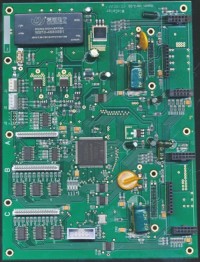
Get custom PCB designing and production in large volumes. If you want SMDs, copper routing, and complete PCBs, we have a solution for you. The performance will be efficient through the concept we follow. From designing to production, you will get a complete solution here.

BOM Electronic Component

Even if you want to outsource only BOM electronic components and their bill of materials, we are available. Our service and production levels are compatible with your needs. Select the types of components and their BOM that meet your budget. Our team will assist you regarding each detail.

Blood Pressure Monitors

Explore BP monitors that provide accurate readings, a clear display, and substantial memory. These portable devices to measure blood pressure are available in digital mode. Their arm cuffs’ automatic inflating and deflating functions provide further ease to users.

Sphygmomanometer

Even if you want to source manual BP-reading devices, they are available here. Sphygmomanometers or blood pressure cuffs you wish to procure are available in excellent condition. They will provide accurate readings, which makes them a perfect tool, especially for medical professionals. 

Communication Module

The telecommunications industry can reach out to us for the communication modules they need. Their wireless connectivity regarding 3G, 4G, 5G, and wi-fi will get the exact solution here. With efficient signal emissions and compatibility, they will complete your wireless devices.

Electric Two-Wheeler

Then you can find electric two-wheelers that are nothing but a cost-efficient and eco-friendly solution. Make transportation less challenging and polluted through our electric bikes. Their charging is simple and profound for an adequate range. Besides, we have electronic systems that make the charging process convenient.

Why Should You Choose Shenzhen Kunpeng Core Technology?

If you want to get all the above components, devices, and services, we have discounted rates for you. Since we deal in large volumes, you can count on us for bulk rates. Even our supply capacity is extensive, which fulfills local and international demands. You just need to contact us, choose what you want, get details, and place orders. Our team will assist you with the rest of the steps for a smooth delivery process.